What Is a VA Loan? A Complete Guide to VA Home Loans
For eligible veterans, active-duty service members, and certain surviving spouses, a VA loan can be one of the most valuable home financing options available.
But many people who may qualify for a VA mortgage still have questions. How does a VA loan work? Is a down payment required? What are the credit requirements? Are there closing costs? How does the VA funding fee work?
A VA loan is not simply a mortgage with a different name. It is a home financing program backed by the U.S. Department of Veterans Affairs and offered through participating private lenders. The VA guarantee can provide eligible borrowers with financing features that may make purchasing a home more accessible.
Here is what you should know before deciding whether a VA home loan may be right for you.
Understanding What Is a VA Loan?
A VA loan is a mortgage backed by the U.S. Department of Veterans Affairs. The VA does not generally act as the lender for a standard VA-backed mortgage. Instead, an eligible borrower obtains the loan through a participating private lender, while the VA guarantees a portion of the loan.That guarantee helps reduce the lender's risk and allows the VA program to offer benefits that can be attractive to qualified borrowers.
One of the best-known features is the ability to purchase a home with no down payment when the borrower qualifies and the transaction meets applicable requirements. VA-backed purchase loans also do not require monthly private mortgage insurance, commonly known as PMI.
However, "no down payment" does not mean "no costs." Buyers still need to understand closing costs, the VA funding fee when applicable, taxes, insurance, prepaid expenses, and other transaction-specific costs.
Who Is Eligible for a VA Home Loan?
VA loan eligibility is primarily connected to military service and other qualifying circumstances.
Eligibility can depend on factors such as your service history, duty status, discharge circumstances, and other requirements established by the VA. The VA provides a Certificate of Eligibility, commonly called a COE, to establish that a borrower qualifies for the VA home loan benefit.
Having a COE is an important part of the process, but it is not the same thing as being automatically approved for a mortgage.You will still need to meet the lender's underwriting requirements. The VA notes that borrowers must satisfy applicable credit, income, and occupancy requirements from both the VA and the lender.That distinction is important. VA eligibility gives you access to the benefit. It does not eliminate the normal responsibility of demonstrating that you can repay the mortgage.
Do VA Loans Require a Down Payment?
One of the major advantages of a VA-backed purchase loan is that eligible borrowers may be able to purchase a home without making a down payment, provided the transaction meets applicable VA requirements.This can make a meaningful difference for a buyer who would otherwise need to put a substantial amount of cash into the purchase.
But there is an important point to understand: putting zero down does not necessarily mean that zero cash is needed.
Buyers may still have closing costs, prepaid expenses, earnest money requirements, and other transaction-related expenses. The property's appraised value can also matter. For example, the VA states that a no-down-payment purchase generally cannot exceed the property's reasonable value established through the appraisal.
That is why I recommend looking at the entire transaction rather than focusing on the down payment alone.
What Are the Benefits of a VA Mortgage?
VA loans have several features that can make them attractive to eligible borrowers.The potential for no down payment is one of the most recognizable benefits. Another is the absence of monthly private mortgage insurance on VA-backed loans.
Depending on the borrower's circumstances, a VA loan can also be used for different types of residential transactions. VA-backed purchase financing can be used for a single-family home, certain condominiums, manufactured homes, and properties with up to four units, subject to applicable requirements. Certain VA programs can also support construction, improvements, or refinancing.
There is also flexibility around using the VA benefit again in qualifying circumstances. A borrower who previously used a VA loan may be able to restore or reuse eligibility depending on what happened with the previous loan and property.
The important takeaway is that a VA mortgage should be evaluated based on the complete financial picture, not simply because it offers a particular benefit.
What Is the VA Funding Fee?
The VA funding fee is one of the costs borrowers should understand before choosing a VA loan.
It is a one-time fee associated with many VA-backed or VA direct home loans. The fee helps support the VA home loan program and helps offset the cost of offering benefits such as no down payment and no monthly mortgage insurance.
Not every borrower has to pay the funding fee. Certain veterans and other eligible borrowers may qualify for an exemption, including some borrowers receiving or eligible to receive VA compensation for a service-connected disability.
For borrowers who do owe the fee, it may generally be paid at closing or financed into the loan, subject to applicable requirements.The amount depends on factors including the type of VA loan, the borrower's history of using the VA benefit, and the amount of the down payment. Current VA guidance should always be checked when determining the applicable fee.
What Are the Credit Requirements for a VA Loan?
There is no single universal credit score that guarantees VA loan approval. The VA establishes the program's requirements, while individual lenders also have their own underwriting standards. The VA specifically notes that borrowers must meet both VA and lender standards for credit, income, and other requirements.
That means two borrowers with similar VA eligibility may not necessarily receive the same financing terms or approval decision, Your overall financial profile matters. A lender may evaluate your income, existing debts, credit history, assets, employment, property, and ability to repay the mortgage.
This is why it is better to have a conversation with a knowledgeable mortgage professional before assuming that your credit profile either qualifies or disqualifies you.
What Properties Can You Buy With a VA Loan?
VA-backed purchase financing can be used for several types of residential properties.
Depending on the specific program and eligibility requirements, a VA loan may be used to purchase a single-family home, a condominium in a VA-approved project, a manufactured home, or a property with up to four units. VA financing may also be available for certain construction and improvement projects.
The property must generally be intended as the borrower's home. VA eligibility and property eligibility are two separate considerations, so it is important to review both before moving forward with a purchase.
For example, a property that looks suitable from a buyer's perspective may still require additional review before a lender can approve VA financing.
What Closing Costs Should You Expect?
A VA loan does not mean there are no closing costs.
Depending on the transaction, buyers may encounter costs associated with the appraisal, title services, recording or government charges, prepaid taxes and insurance, and other settlement expenses. Some costs may be negotiable or handled differently depending on the transaction and applicable rules.
This is where reviewing the Loan Estimate carefully becomes important.
The Consumer Financial Protection Bureau recommends looking beyond the interest rate and reviewing the complete loan structure, including estimated monthly payment, closing costs, taxes, insurance, cash required to close, and other applicable loan terms.
A mortgage should be evaluated based on what it actually costs and how it fits your financial situation.
How Does the VA Loan Process Work?
For most borrowers, the process starts with determining eligibility and obtaining a Certificate of Eligibility.
From there, you typically work with a participating mortgage lender to review your finances, determine an appropriate loan structure, and obtain pre-approval if you are ready to begin shopping for a home.
Once you have an accepted offer, the lender moves through the underwriting and property evaluation process. The property appraisal is an important part of determining whether the property meets applicable requirements and supports the transaction.
After underwriting conditions are satisfied, the loan can proceed toward closing. The exact timeline varies from transaction to transaction. The quality and completeness of the documentation provided, the property, appraisal, title work, underwriting, and other circumstances can all affect the process.
A VA Loan Should Be About More Than Qualification
One of the biggest mistakes borrowers can make is focusing only on the question, "How much can I qualify for?"
A better question is, "What mortgage makes sense for my financial situation?"
That means looking at the complete monthly housing cost, including principal, interest, property taxes, homeowners insurance, and other applicable expenses. It also means considering your cash reserves, future plans, income stability, other debts, and how comfortable you are with the overall financial commitment. A VA loan can be an excellent tool for an eligible borrower. But the best mortgage is not necessarily the one that allows you to borrow the most.
It is the one that fits your circumstances and long-term goals.
Getting Started With a VA Home Loan
If you believe you may qualify for a VA mortgage, the best place to start is with a conversation about your individual situation.
Understanding your eligibility, reviewing your financial position, discussing available loan options, and getting clear on the costs before you begin making offers can make the home-buying process much easier to navigate.
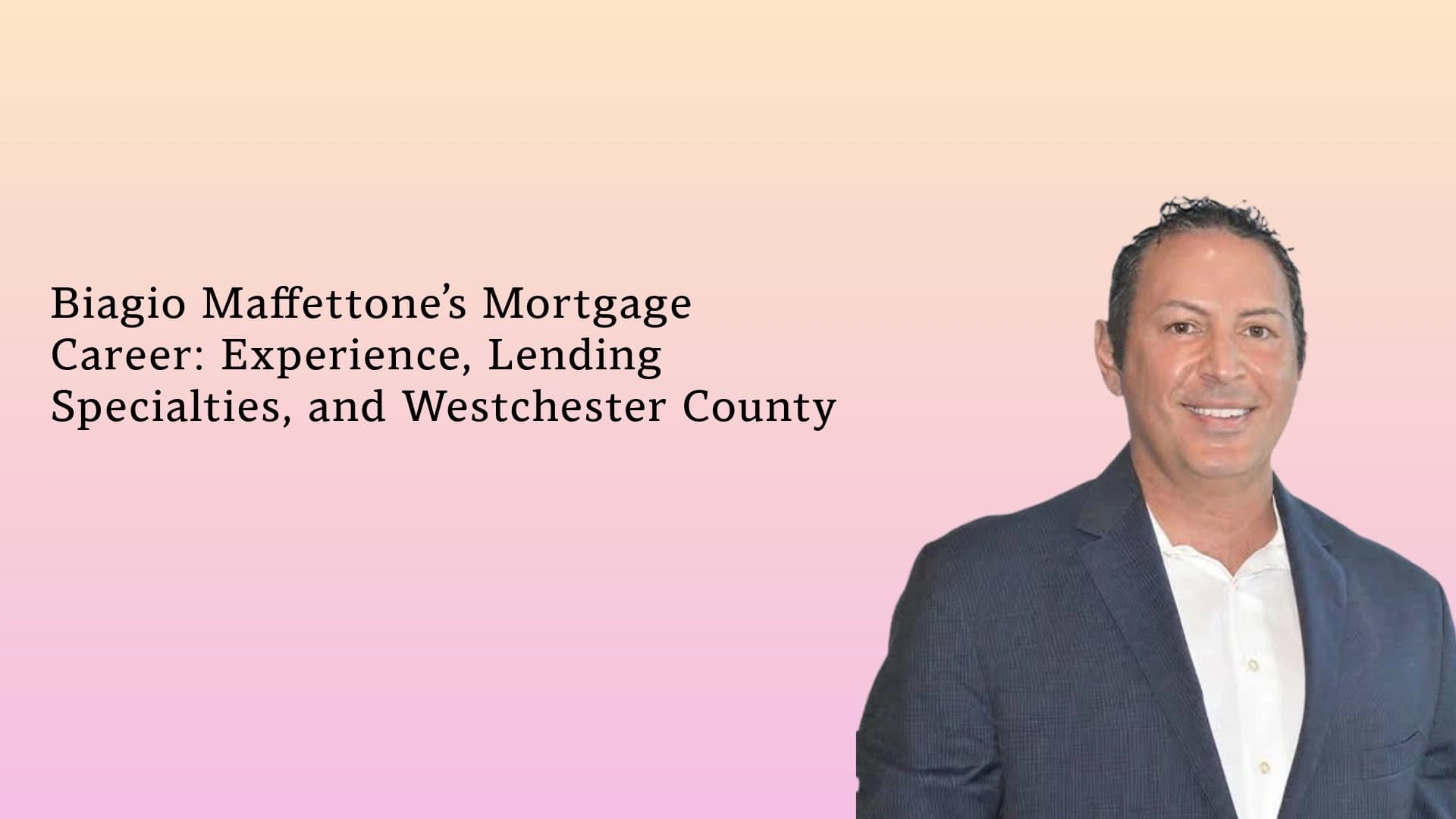
For veterans and service members considering a home purchase in Westchester County, NY, and surrounding communities, Biagio Maffettone helps borrowers understand their mortgage options and navigate the financing process.
With more than 20 years of experience in mortgage lending, Biagio's approach is centered on clear communication, education, and helping clients understand the financing decisions they are making.
If you are considering a VA home loan and want to understand how it may fit your situation, contact Biagio Maffettone to discuss your options.
VA Loan Disclaimer
VA loan eligibility, underwriting requirements, funding fees, property requirements, interest rates, closing costs, and available loan programs can vary based on the borrower, lender, property, and current VA rules. This article is provided for general educational purposes and should not be considered financial, legal, tax, or mortgage advice or a guarantee of eligibility or approval. Requirements and program guidelines can change. Borrowers should verify current VA requirements with the U.S. Department of Veterans Affairs and discuss their individual circumstances with a qualified mortgage professional before making a financing decision.
Written by Biagio Maffettone
Westchester Mortgage Expert and Licensed Mortgage Loan Originator with over 20 years of experience helping clients achieve their homeownership goals.
.webp&w=3840&q=75)
.jpeg&w=3840&q=75)
