Biagio Maffettone’s Guide to Refinancing Residential Mortgages in Scarsdale and Yonkers
Homeowners across Westchester County often discover that residential real estate operates under its own distinct set of rules. Between fluctuating interest rate cycles, substantial property tax obligations, and historic home equity growth, deciding when and how to refinance a mortgage requires far more than checking a daily benchmark rate online. A strategy that makes perfect sense for a historic estate off Drake Road in Scarsdale can look entirely different from a financing plan tailored to a multi-family home or co-op near Getty Square in Yonkers.
Over more than two decades of navigating local lending environments, one constant has remained clear: refinancing is a personal financial recalibration, not a one-size-fits-all transaction. Whether your goal is to reduce monthly expenditures, tap into built-up equity for property improvements, or eliminate private mortgage insurance, understanding the micro-market dynamics of Scarsdale and Yonkers is essential to making a decision that serves your long-term wealth.
Reading the Westchester Market: Why Refinancing Is About Equity, Not Just Interest Rates
When most homeowners consider refinancing, the headline interest rate dominates the conversation. While rate reductions are certainly compelling, focusing exclusively on percentages overlooks the primary asset driver in Southern Westchester: accumulated home equity. Over the past several years, property values in both suburban enclave communities and dense urban centers have experienced steady appreciation.
This growth shifts the financial picture for existing owners. Refinancing allows borrowers to put that equity to work purposefully. For some, a cash-out refinance provides the necessary capital to undertake major structural renovations, fund educational expenses, or consolidate higher-interest debt into a single, tax-efficient mortgage payment.
For others, increased home value automatically lowers the loan-to-value (LTV) ratio, unlocking better pricing tiers or allowing for the removal of monthly mortgage insurance premiums that were required when the home was originally purchased. Viewing a refinance through the broader lens of household financial health ensures that you treat your mortgage as a strategic instrument rather than a static monthly debt obligation.
Scarsdale vs. Yonkers: Tailoring Refinance Strategies to Distinct Micro-Markets
Although Scarsdale and Yonkers share a border within Westchester County, their residential real estate landscapes demand tailored approaches to mortgage structuring. A primary distinction lies in property values, loan limits, and property tax structures.
Navigating Jumbo Loans in Scarsdale
In Scarsdale, where median home prices routinely exceed national conformal thresholds, refinancing frequently involves Jumbo loan products. Jumbo mortgages carry specific underwriting criteria, including stricter debt-to-income limits, higher reserve requirements, and distinct appraisal protocols for high-value properties. When restructuring a Scarsdale mortgage, evaluating portfolio products vs. conventional Jumbo options is critical. Furthermore, Scarsdale’s substantial local property taxes must be calculated carefully into the post-refinance escrow account, as shifts in principal and interest payments can alter overall monthly cash flow requirements.
Maximizing Conventional and FHA Refinances in Yonkers
Yonkers presents a diverse housing matrix ranging from single-family homes in Crestwood and Armor Villa to multi-family properties and high-density cooperative apartments along the Hudson River waterfront. Here, conventional conforming loans and FHA streamline refinances play a much larger role. For multi-family property owners in Yonkers, refinancing often centers on optimizing rental income offsets against principal and interest payments. For co-op owners, navigating board approvals and specific building recognition lists adds an extra layer of detail that requires precise timing and coordination.
The True Cost of Refinancing in Westchester County
A successful refinance analysis requires an accurate accounting of the transaction costs involved. New York State, and Westchester County in particular, maintains specific closing fee structures that directly impact a borrower's break-even calculation. The most significant variable in any New York mortgage refinance is the Mortgage Recording Tax. On a standard residential property, this tax represents a notable percentage of the total loan amount.
However, experienced borrowers utilize a legal instrument known as a Consolidation, Extension, and Modification Agreement (CEMA). By executing a CEMA, your existing mortgage is assigned to the new lender and combined with any additional borrowed funds rather than being completely satisfied and replaced. This structure allows you to pay mortgage recording tax only on the "new money" being borrowed rather than the entire balance. On a high-balance refinance in Scarsdale or Yonkers, a CEMA can save thousands of dollars at the closing table, dramatically shortening your break-even period.
Beyond recording taxes, homeowners must account for:
Title Insurance: Required lender policies protect against historical title defects, though reissue rates may apply if the original policy is recent.
Property Appraisals: Valuation requirements vary depending on whether full interior inspection is needed or if automated valuation models are permitted.
Escrow Adjustments: Setting up new tax and insurance escrow accounts requires upfront cash, though previously held escrow funds from your existing loan are eventually refunded.
To calculate an accurate break-even point, divide the total net closing costs by your monthly payment savings. If you plan to remain in the property well beyond that break-even month, the refinance makes sound economic sense.
The Underwriting and Documentation Pipeline
Securing a seamless mortgage approval requires thorough preparation before formally submitting an application. Underwriters scrutinize three main pillars: credit profile, income stability, and asset reserves. Self-employed business owners and independent professionals across Westchester should ensure that tax returns, profit-and-loss statements, and business bank records accurately reflect stable cash flow.
For wage earners, recent W-2s, pay stubs, and employment verification remain standard. Special attention should also be paid to property condition. Appraisers visiting historic Scarsdale homes look closely at structural integrity, mechanical systems, and historical maintenance, while appraisers inspecting Yonkers properties evaluate local neighborhood comparables and multi-family zoning compliance. Addressing minor deferrals or maintenance items prior to the appraisal visit protects the property’s valuation.
Four Practical Steps Before Locking Your Refinance Rate
1-Order a Preliminary Credit Check: Review your credit reports across all three major bureaus to resolve errors or settle small outstanding balances that could artificially suppress your score.
2-Estimate Your Current Home Value: Look at recent sales of comparable properties within your immediate neighborhood rather than relying solely on automated online algorithms.
3-Gather Financial Records: Organize two years of personal and business tax returns, two months of asset statements, and recent pay stubs into an easily accessible digital folder.
4-Evaluate Your Holding Horizon: Define clearly how many years you intend to retain the home or current mortgage to verify that your projected savings surpass the closing costs.
Making a Thoughtful Decision for Your Financial FutureHomeownership in Scarsdale and Yonkers represents a cornerstone of long-term personal wealth. Refinancing should never be viewed as an impulsive reaction to daily market chatter, but rather as a deliberate financial adjustment designed to optimize your total balance sheet. By evaluating your equity position, accounting for local closing costs such as CEMA tax savings, and aligning your loan structure with your long-term household goals, you ensure that your home remains a source of security and strength. When approached with clear data and localized insight, restructuring your residential mortgage becomes one of the most effective tools for building lasting financial resilience.
Disclaimer: The content provided in this strategy and associated articles is strictly for educational, informational, and search engine optimization planning purposes only. It does not constitute formal financial, legal, tax, or mortgage lending advice. Real estate financing, interest rates, loan approvals, and tax structures (including NY CEMA agreements) vary based on individual financial circumstances and local regulations. Readers must consult a licensed mortgage professional and a certified financial/legal advisor before entering into any financial agreements or making mortgage decisions.
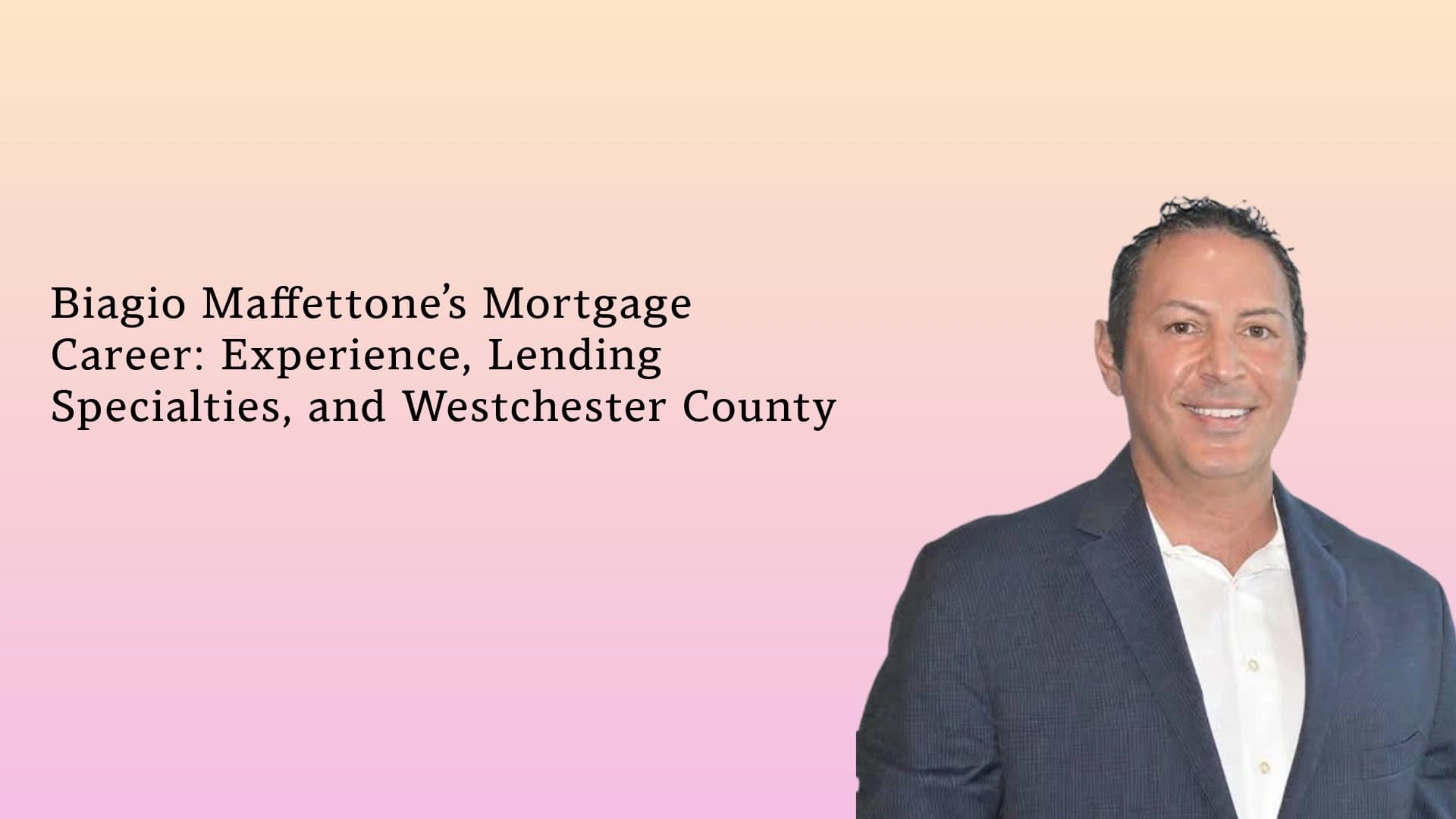
Written by Biagio Maffettone
Westchester Mortgage Expert and Licensed Mortgage Loan Originator with over 20 years of experience helping clients achieve their homeownership goals.

.webp&w=3840&q=75)
.jpeg&w=3840&q=75)